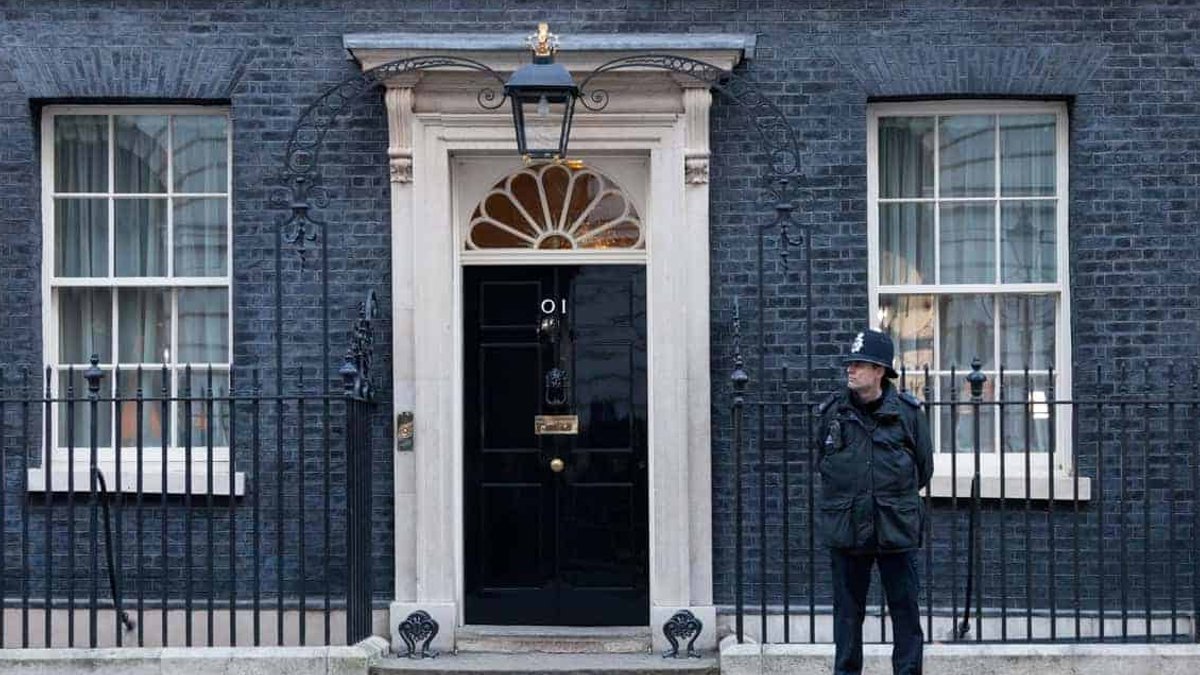
The arrival of Andy Burnham in Downing Street has prompted a flurry of commentary about what his premiership might mean for UK universities. While his cabinet reshuffle marks a clear break with the Starmer era, the higher education sector should be cautious about expecting a dramatic shift in fortunes.
Understanding the New Government
If anything, the early signs suggest that higher education may continue to occupy an uncomfortable position in government thinking: recognised as economically important, but far from a policy priority. Burnham’s recent pledge to end the dominance of universities in the education system is a case in point.
So too is his government’s response to the Education Select Committee’s report into university finances, published on his third day in office. In it, the government said it is “not currently persuaded” of the need for an insolvency regime and believes in “orderly market exit” should an institution go under.
Key Ministers and Their Roles
Andy Burnham is not inherently hostile to universities. As mayor of Greater Manchester, he worked closely with higher education institutions in the region and understands the role they play as anchor institutions and drivers of regional growth.
Lucy Powell, the new education secretary, replaces Bridget Philipson after two years in post. While universities may lament the loss of continuity and experience, Philipson’s instincts were always strongest on schools, and higher education often appeared secondary to wider concerns around attainment and opportunity.
Related: Siti Nurhaliza Performs at Sunway University Graduation
By contrast, Powell arrives without this policy baggage and, with Burnham’s confidence and that of the Labour Party, having recently been elected deputy leader. That creates an opportunity for the sector to reopen conversations that had become increasingly difficult to have under her predecessor.
Meanwhile, the reappointment of skills minister Jacqui Smith suggests limited prospects for meaningful change. While familiar with the sector’s concerns, she has shown little appetite for revisiting a tertiary model that places technical education, apprenticeships and workforce skills at the centre of policy thinking.
Immigration and International Students
For those in international education, the most important signal may not be coming from the DfE at all. Shabana Mahmood’s reappointment as Home Secretary points to continuity rather than a reset on immigration. The political pressures that pushed Labour towards a tougher approach to migration under Starmer have not disappeared simply because there is a new Prime Minister.
Universities hoping for a more liberal stance on international students should therefore be prepared for disappointment. The Graduate Route is likely to remain under scrutiny and there may be little appetite for a significant relaxation of the student visa regime.
Business and Industrial Strategy
The minister universities should perhaps be paying closest attention to is business secretary, who returns to lead the newly expanded department after almost two years away.
Related: High Schools Embrace New Approaches to Lab Reporting
Andy Burnham is not inherently hostile to universities. As mayor of Greater Manchester, he worked closely with higher education institutions in the region and understands the role they play as anchor institutions and drivers of regional growth. If universities are to pass the Burnham test, they will need to demonstrate that they serve individuals, places and the nation in equal measure.
Ultimately, Burnham’s government appears less interested in defending universities than in deploying them. Institutions will be judged not by their status, tradition or claims of excellence, but by the extent to which they help address the country’s economic and social challenges.
Universities hoping for a return to a more sector-friendly political climate are likely to be disappointed. But those able to demonstrate their value to local communities, national renewal and economic growth may find allies in unexpected places. The faces around the cabinet table may have changed, but the demand for relevance remains.
The universities that thrive in Burnham’s Britain will not be those that make the strongest case for higher education. They will be those that make the strongest case for what higher education can deliver, such as improving regional growth and supporting workforce development, which is related to the concept of international student recruitment.





Leave a Reply