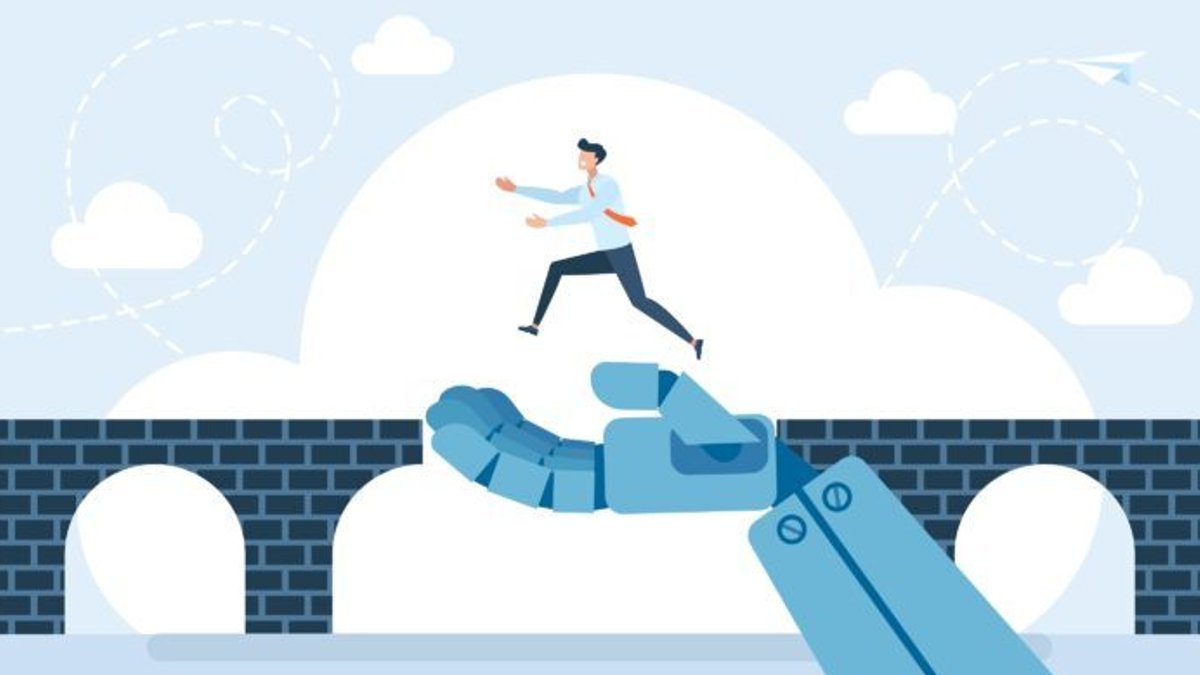
Enterprise AI adoption is outpacing workforce readiness, creating a generational AI gap. LinkedIn predicts 70% of job skills will change by 2030, driven largely by AI. Yet, 88% of C-suite leaders prioritize accelerating AI adoption in the near term.
This mismatch poses challenges as AI integrates deeper into workflows. Research from Pew Research Center highlights age-related differences in AI adoption, but the gap goes beyond demographics. It reflects variations in AI literacy, practical application, and responsibility within AI-enabled processes.
The Impact of the Generational AI Gap
Uneven readiness creates operational risks. Employees enter AI programs with varying proficiency. Pew found 41% of workers aged 18–29 use workplace chatbots, compared to 18% of those aged 65 and older. This affects how quickly they understand AI capabilities and integrate it into their work.
However, the gap isn’t solely age-based. Employees of similar ages may have different AI familiarity based on their roles or access to technology. A broad AI rollout can mix employees with vastly different readiness levels, requiring training tailored to actual proficiency, not assumptions.
AI fluency and judgment are distinct skills. One employee might generate outputs but miss errors, while another uses AI less but better evaluates its recommendations. Training must develop both operational use and critical thinking.
Responsibility levels also vary. An employee reading an AI summary faces less risk than one approving AI decisions. Training depth should align with the authority and potential impact of AI-assisted tasks.
How eLearning Can Bridge the Gap
Enterprises need to move beyond age-based training. A role-based learning model defines skills required at each AI use level, from basic assistance to high-autonomy decision support. As responsibility increases, so should training in evaluation, intervention, and workflow management.
eLearning offers solutions through:
- Assessment-driven paths: Diagnostic assessments identify existing skills and gaps, ensuring personalized learning.
- Workflow simulations: Realistic scenarios test employees’ ability to apply AI effectively and make sound decisions based on its outputs.
- Modular updates: As AI tools evolve, learning modules can be updated without overhauling entire programs, keeping skills current.
For CIOs and CTOs, the goal is clear: expand AI authority only as fast as workforce capability allows. eLearning offers the infrastructure to achieve this, ensuring AI adoption is both ambitious and responsible.
Addressing Workforce Readiness in AI Integration
A defined verification baseline is essential for employees using AI in business workflows. Training should assess their ability to recognize uncertain outputs and determine when independent validation is necessary. It should also mirror the approval points and exception conditions in their actual workflows, establishing a practical standard before AI outputs influence business decisions. This baseline should be based on demonstrated capability, not age or self-reported confidence, with personalized learning pathways addressing individual proficiency gaps.
Training for AI Responsibility
Enterprises must shift from age-based training to focus on the responsibilities employees hold within AI-enabled workflows.
eLearning for Role-Specific AI Readiness
Diagnostic assessments identify capability gaps, allowing for personalized learning paths aligned with each employee’s AI responsibilities. Workflow-based simulations test employees’ ability to apply AI tools effectively and make appropriate decisions based on AI-generated outputs.
Modular eLearning allows teams to update specific competency areas without rebuilding entire training programs, keeping workforce capabilities aligned with changing AI implementations and business processes.





Leave a Reply