Research shows that working memory often limits students’ ability to solve math problems, especially those that require holding multiple pieces of information at once.
Break multistep word problems into smaller parts
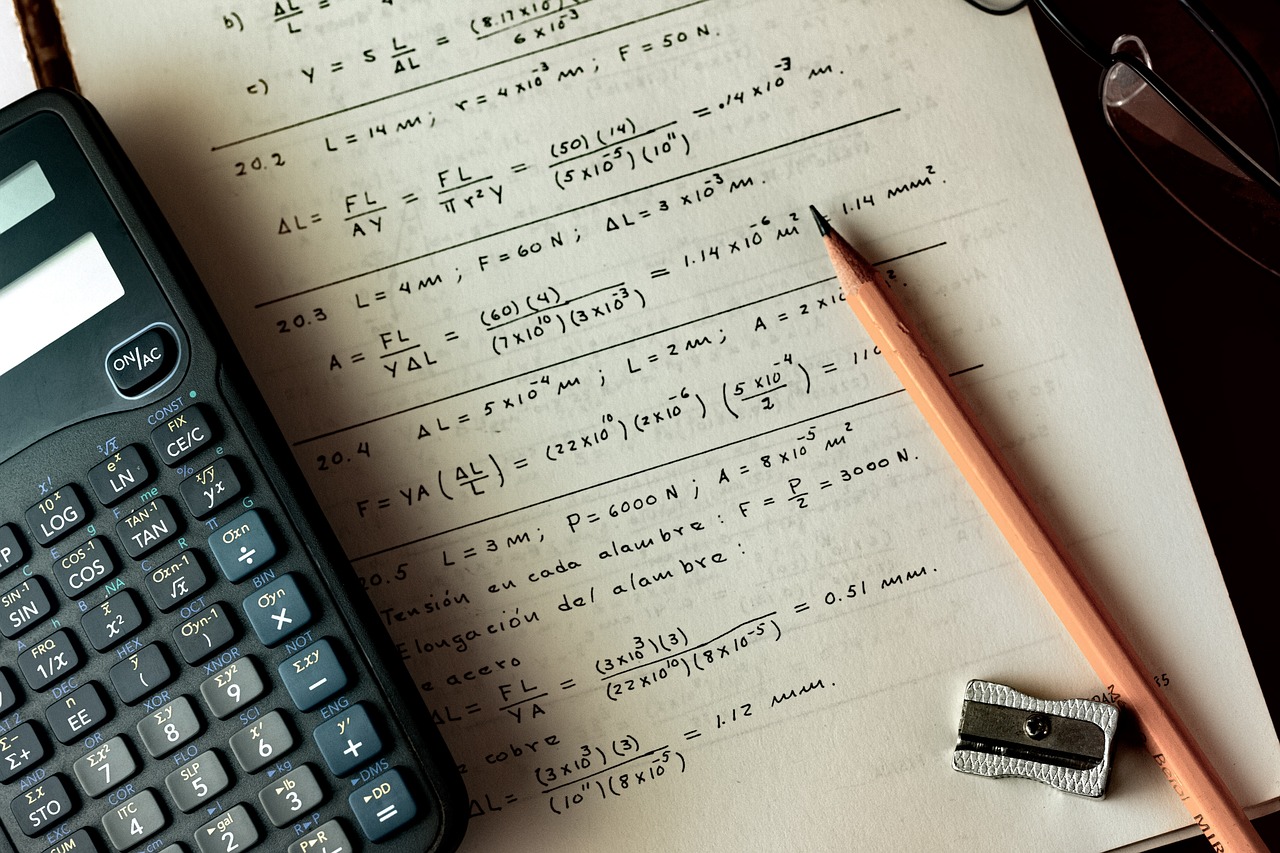
One approach is to have learners rewrite a word problem as a short story, identifying characters and actions before tackling the numbers. Using scratch paper to record intermediate steps lets students “offload” information; a 2025 study found that this raised performance by an effect size 83 % higher than peers who kept everything in their heads. Teachers also encourage marking key details—underlining or highlighting the central question—to reduce cognitive load.
Use visual organizers and anchor charts
Because working memory stores visual and spatial data in a “visuospatial sketchpad,” classroom walls can serve as external memory aids. Anchor charts that list formulas, place‑value tables, or diagram templates let students reference information instead of trying to recall it.
Related: Are Laptops Becoming Obsolete
Provide problem‑solving routines
Naming each step of a calculation can improve retention. Guiding students through a consistent sequence—such as conceptualize, plan, execute, and check—helps build habit and cuts the mental effort of deciding what to do next.
Rely on familiar contexts
Problems that draw on everyday experiences reduce the need for extra background knowledge. Framing questions around familiar settings, such as a local ice‑cream shop, keeps students more engaged and less mentally strained. The use of familiar contexts mirrors research on object‑based learning that deepens comprehension.
Review and connect to prior learning
A quick review of relevant formulas or terms can prime long‑term memory, lessening the burden on working memory. Retrieval practice, prompting students to recall past lessons on fractions and place value, supports this process. A 2023 meta‑analysis of 43 studies found that worked examples—fully solved problems—produce a moderate positive effect on math learning across grades.
Related: Teacher Teams Revisit and Reteach Tricky Lessons
Teach annotation and categorization
Students who annotate problems—using arrows, brackets, or color‑coding—can isolate key information. In a 2025 experiment, annotating word problems helped struggling learners focus on the essential numbers and operations, boosting accuracy. This strategy mirrors how pilots use checklists to compensate for “perishable memory,” according to safety experts from Australia’s Civil Aviation Safety Authority.
External aids improve math learning.
Overall, the research suggests that external aids, structured routines, and familiar contexts help students offload the demands of working memory, allowing them to concentrate on the mathematical reasoning itself.





Leave a Reply