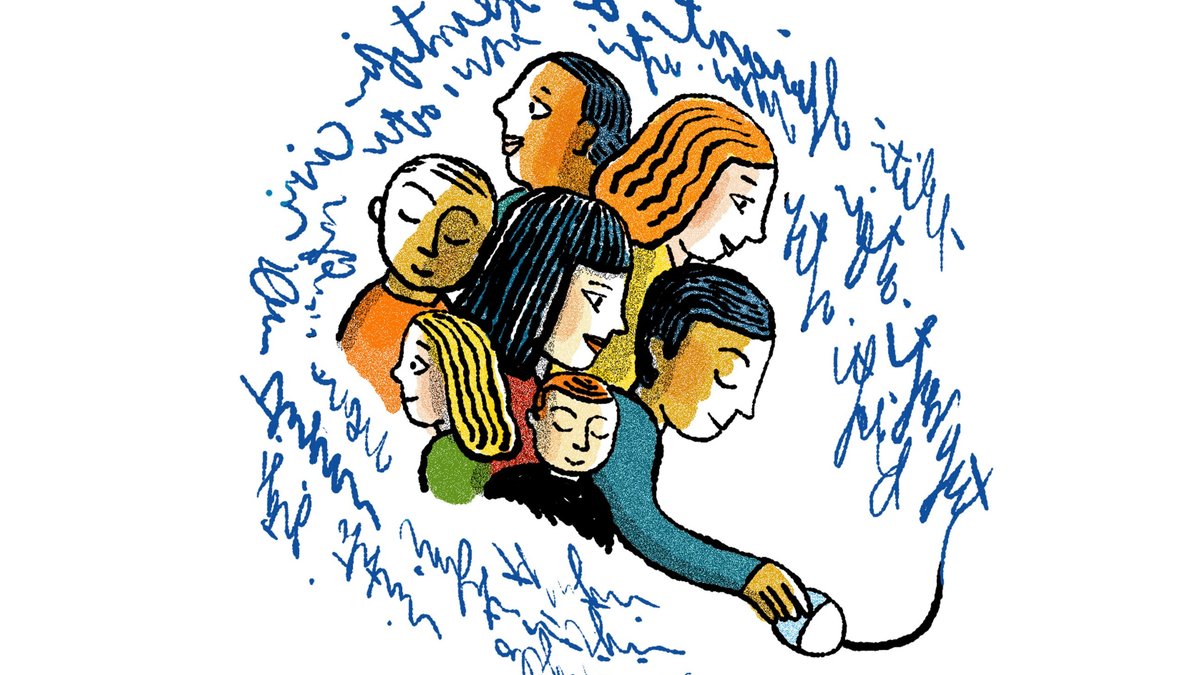
Improving virtual classroom participation has become a priority for teachers who shifted to online learning last year, as they grapple with engagement gaps that differ from those in physical rooms.
Live‑video tactics that encourage speaking up
One method that gained traction is the “spider web” discussion. In a high‑school class, the teacher asked students to answer prompts before the live session, then displayed their responses as a visual map during the video call. The map showed who spoke, who listened and how ideas built on one another, prompting students to recognize each other’s contributions.
Another teacher used the chat function to gauge understanding. Third‑grade learners typed emojis or short answers, while the class agreed on a single‑emoji rule to keep the signal clear. This gave the instructor a quick read on comprehension and nudged quieter students to interact without raising their hands.
Students responded quickly.
For younger learners, a kindergarten teacher turned true‑false quizzes into a Zoom‑chat activity. Children typed “T” or “F” and occasionally wrote full sentences, practicing keyboard skills while staying engaged.
Related: Teachers Embrace Bitmoji to Boost Classroom Community
A high‑school math teacher blended recorded lessons with live breakout rooms. After students watched videos at home, they summarized the material together at the start of the synchronous class, then solved problems in small groups. The approach freed up class time for targeted help.
Adapting think‑pair‑share to a video platform also proved effective. An elementary library director assigned prompts, sent students to breakout rooms and required them to record answers in a shared document. The document kept participants accountable, and volunteers later presented the group findings to the whole class.
One coordinator reimagined show‑and‑tell as “think, write, share.” Middle‑school students chose an image, answered a series of reflective questions and then discussed their responses via video. The structured format helped break the ice for students hesitant to speak spontaneously.
Asynchronous options that level the playing field
Many educators noted that discussions held outside real‑time sessions often reached a broader audience. A high‑school English teacher employed a question feature in a learning management system, replying to each student’s comment and prompting them to answer peers’ posts. This created a chain of dialogue that extended beyond the original prompt.
In a fifth‑grade class, a teacher used a collaborative board and a video‑response platform to let students share images, write reflections and listen to classmates’ voices, building a sense of community despite distance.
Related: High Schools Embrace New Approaches to Lab Reporting
Another high‑school social studies instructor introduced virtual “gallery walks.” After students posted five‑minute screencasts of their projects, peers provided feedback using a spreadsheet with prompts about new insights, surprises and strengths. The online format ensured every learner saw multiple projects and received written critiques.
Finally, a teacher transformed carousel brainstorming into a series of shared documents. Small groups added their ideas by a set deadline, then commented on other groups’ contributions the following day, preserving the collaborative spirit of in‑person stations.
These strategies illustrate that both live and offline digital tools can broaden participation, especially for students who lack stable internet or feel uncomfortable speaking up in a large virtual room.
Schools might consider blending these approaches, allowing students to choose the format that best fits their learning style and technical situation. By offering multiple pathways to share ideas, educators can reduce the reliance on any single platform and keep more voices in the conversation.
In practice, the balance between synchronous and asynchronous methods will likely depend on the subject matter and the age group. While younger students benefit from immediate visual cues and simple chat interactions, older learners often thrive when given time to craft thoughtful responses offline before joining a live discussion.




Leave a Reply