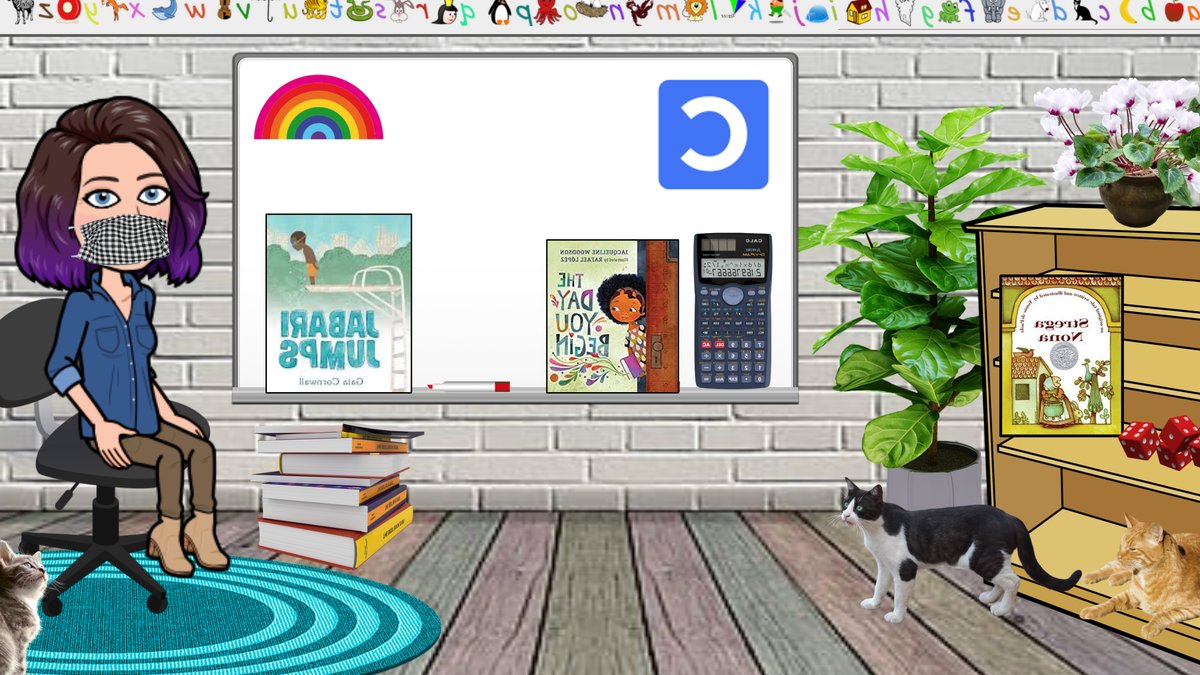
Bitmoji avatars have become a familiar sight in many classrooms since remote learning took off in the spring, offering teachers a way to personalize virtual spaces and keep students engaged.
How educators are using Bitmoji
Teachers download the Bitmoji app, design a character that reflects their appearance, and then embed the avatar in Google Slides or other learning platforms. The resulting “Bitmoji classroom” can mimic a physical room, link to assignments, and even host clickable icons for games or videos. Kindergarten teacher Sara Hannah says her virtual space mirrors her real classroom but adds playful elements that spark interest.
In Oklahoma, certified occupational therapist assistant Brittney Harvey built a Bitmoji‑styled occupational therapy room that connects students to Zoom sessions, pre‑writing lessons, and GoNoodle exercises.
Building libraries and community
In Michigan, technology teacher Tracey Burton created a diversity‑focused library that links to ad‑free YouTube read‑alouds of books like “Mixed Me” and “Too Many Tamales.” “I didn’t think I could change the world, but I do feel like I can make a change,” she said, noting that reading about other cultures can shrink the world.
Related: Chinese Teachers Reflect on Recent Lessons Learned
Bitmoji also supports relationship‑building activities. Fourth‑grade teacher Angie Baton Ritenour collaborated with colleagues to design an “iSpy” Bitmoji room, where students identified objects during video calls, supporting connection after the shift to at‑home learning. Another teacher, Galiba Džaja, added her avatar to a Google Form for daily social‑emotional check‑ins using the Zones of Regulation framework.
One teacher, Laura Hoomes, a kindergarten instructor, has spent the summer creating more than 40 Bitmoji libraries, alongside home learning kits and craft ideas. “I have two young kids, so it’s mostly what I can accomplish at night after they go to bed!” she explained, highlighting the personal time investment involved.
Students respond enthusiastically.
While many educators report success, critics argue that the trend may distract from core teaching goals and raise equity concerns. Some schools worry that students lacking reliable internet or devices cannot fully benefit from Bitmoji‑based materials.
Related: Six charts show why handwriting beats typing
Nevertheless, proponents contend that engaging visuals do not preclude rigorous instruction. The balance between novelty and pedagogy appears to be a matter of how teachers integrate the tool rather than whether they use it.
From a broader perspective, the rise of Bitmoji in education reflects a larger shift toward visual communication in digital learning environments. As students spend more time on screens, familiar, human‑like icons can reduce cognitive load and make navigation feel more intuitive, potentially supporting learners who struggle with abstract interfaces.
For teachers interested in getting started, the process begins with the free Bitmoji app on iPhone or Android. After creating an avatar, a Chrome extension allows users to copy the image into slides or documents. Online groups such as “Bitmoji Craze for Educators” share templates and step‑by‑step videos, offering a community of practice for newcomers.
As the school year approaches, educators will continue to experiment with blending virtual and hands‑on experiences. Whether the avatars become a lasting fixture or fade as a pandemic‑era novelty, their current impact on classroom culture and student engagement is evident across a range of subjects and grade levels.



Leave a Reply