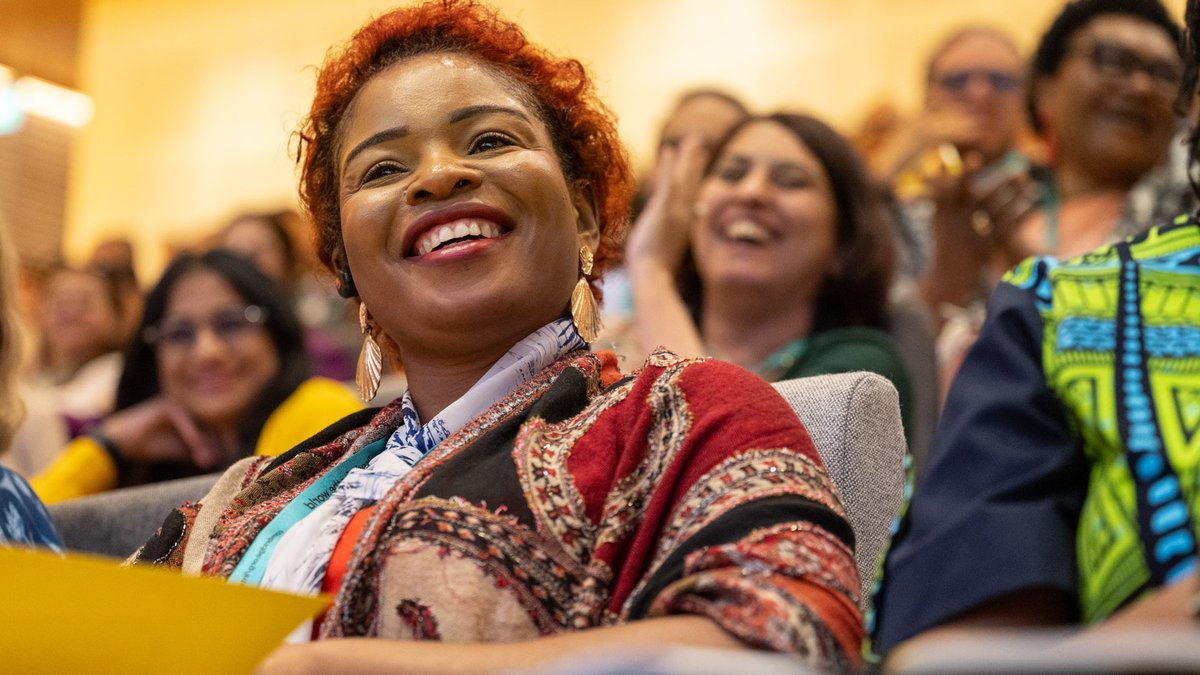
Educators from 65 countries gathered at the Cambridge Schools Conference to discuss the future of learning. The conference attracted both first-time attendees and returners, with almost as many newcomers as veterans of the event.
One of the first-timers was Neslihan Okutgen, from Istanbul, Turkey, whose school opened just a year ago, in 2025. She attended the conference to connect with other Cambridge school leaders and learn about the benefits of becoming a Cambridge school.
Dr Lusungu Kumwenda was attending for the second time. She is the founder and school director of Totally Kids Daycare and Nursery in Lusaka, Zambia, which she established in 2019 from her personal interest in early childhood care. The school has since expanded to include Early Years through to Year 5 and is preparing to sit its first Cambridge Checkpoint assessments in 2028.
The Appeal of the Cambridge Curriculum
For Dr Kumwenda, the Cambridge curriculum’s relevance to a generation of Zambian children who value global citizenship alongside local identity is a major draw. The curriculum’s focus on critical thinking, digital skills, and real-world training aligns with Zambia’s new National Education Policy 2025 and Competence-Based Assessment tools.
Dr Kumwenda highlights the importance of the Cambridge Learner Attributes, which promote engagement, responsibility, reflectiveness, and confidence. She believes that education should develop not only academic skills but also the qualities that make us human.
Climate Change Education
Dr Kumwenda is particularly interested in Cambridge’s approach to climate change education, given the direct impact of climate change on daily life at her school. The 2024-2025 drought in Zambia led to increased operational costs and forced her school to cut back on activities to conserve power.
The experience inspired Dr Kumwenda to move toward solar energy and gave her pupils a firsthand understanding of climate change. She plans to develop a climate-smart project with her students, inspired by the climate change education experts at the conference.
Dr Kumwenda states that the Cambridge Schools Conference provided a platform for her to network with colleagues—other school leaders that have been exposed to the Cambridge curriculum for some time and from whom she can learn.





Leave a Reply