Checking what students know while they’re still learning can feel high-stakes — not for the kids, but for teachers trying to decide what to teach next. A single quiz or test rarely tells the full story. Different kinds of learning require different checks, and the best formative assessments tend to be fast, low-stakes, and easy to deploy without piling on extra grading.
Entry and exit slips can catch more than you think
Those few minutes at the start or end of class offer a natural window to see what stuck. Teachers can ask a quick question about yesterday’s lesson while learners settle in.
Related: Laptops Face a Cell Phone Future
Exit slips don’t have to be paper-and-pencil.
Tools like Padlet, Poll Everywhere, Google Forms with Flubaroo, and Edulastic let teachers see responses in real time. Sorting physical exit slips into three piles — got it, sort of got it, didn’t get it — gives an instant read on what to do next. The trick is the question. Ask learners to write for a minute about the most meaningful thing they learned, or try prompts like: “What are three things you learned, two things you’re still curious about, and one thing you don’t understand?”
Low-stakes quizzes that actually tell you something
Polls and quizzes built with Socrative, Quizlet, Kahoot, Gimkit, Plickers, or Flippity can show whether learners know more than they let on. Grading them but assigning low point values keeps the stakes real without punishing a single bad score. Teachers see each kid’s response and get a class-wide picture. The level of complexity is up to the teacher — try basic recall items for simple facts, or ask something like “What advice would Katniss Everdeen offer Scout Finch?” for deeper thinking.
Related: Panic buttons, push alerts prevent bloodshed at Apalachee
Dipsticks: quick checks that don’t feel like tests
Some alternative formative assessments are meant to be as simple as checking the oil. Students might write a letter explaining a key idea to a friend, draw a sketch, or do a think-pair-share. They can also take quick notes on a tablet or use a focused observation form while they work. These observations provide valuable data, but they can be tricky to keep track of without a system.
Interview assessments let you dig deeper
Casual conversations with learners can reveal understanding in a way written checks can’t. Five-minute chats work well, though no instructor can talk to every student about every lesson. Peer feedback methods like TAG — Tell something done well, Ask a thoughtful question, Give a positive suggestion — shift some of that work to students. For more introverted kids, tools like Explain Everything or Seesaw let them record answers privately. Flipgrid was once a popular option, though it’s been terminated.
Art and movement as assessment tools
Visual art, photography, or videography can help students synthesize what they’ve learned. They might draw, create a collage, or sculpt. Or go beyond the visual: kids can act out a story like Hemingway’s “Hills Like White Elephants” to explore subtext, or model cell mitosis through dance. It’s not about artistic skill — it’s about showing understanding in a different medium.
Related: How To Ensure A Smooth VPS To Dedicated Server Transition?
Letting students wrestle with mistakes
Sometimes the fastest way to check comprehension is to ask what’s confusing. The “muddiest point” exercise asks them to name the place where things got unclear. Another approach: present a common misconception and ask them to correct it, or decide whether a statement contains an error. These exercises force learners to apply what they know, not just recall it.
Self-assessment gives a direct line to student thinking
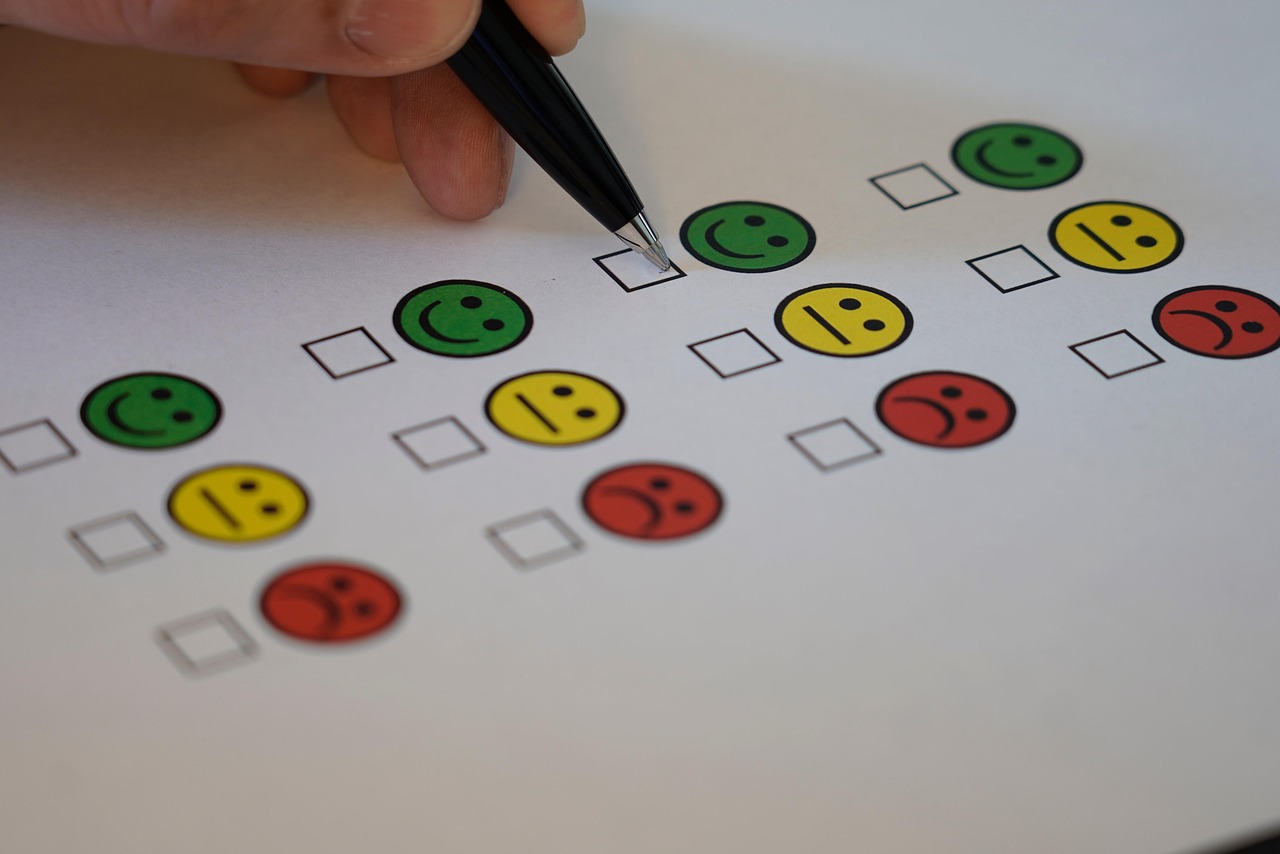
Hand out the rubric and let them spot their own strengths and weaknesses. Sticky notes work well for quick checks — put trouble areas in columns on a whiteboard and have learners place their note where they need the most help. Colored stacking cups let kids signal green (all set), yellow (working through confusion), or red (need help). Participation cards with “I agree,” “I disagree,” and “I don’t know how to respond” keep discussions moving. Thumbs-up responses and six hand gestures for silent signals give teachers an unobtrusive way to read the room.


Leave a Reply