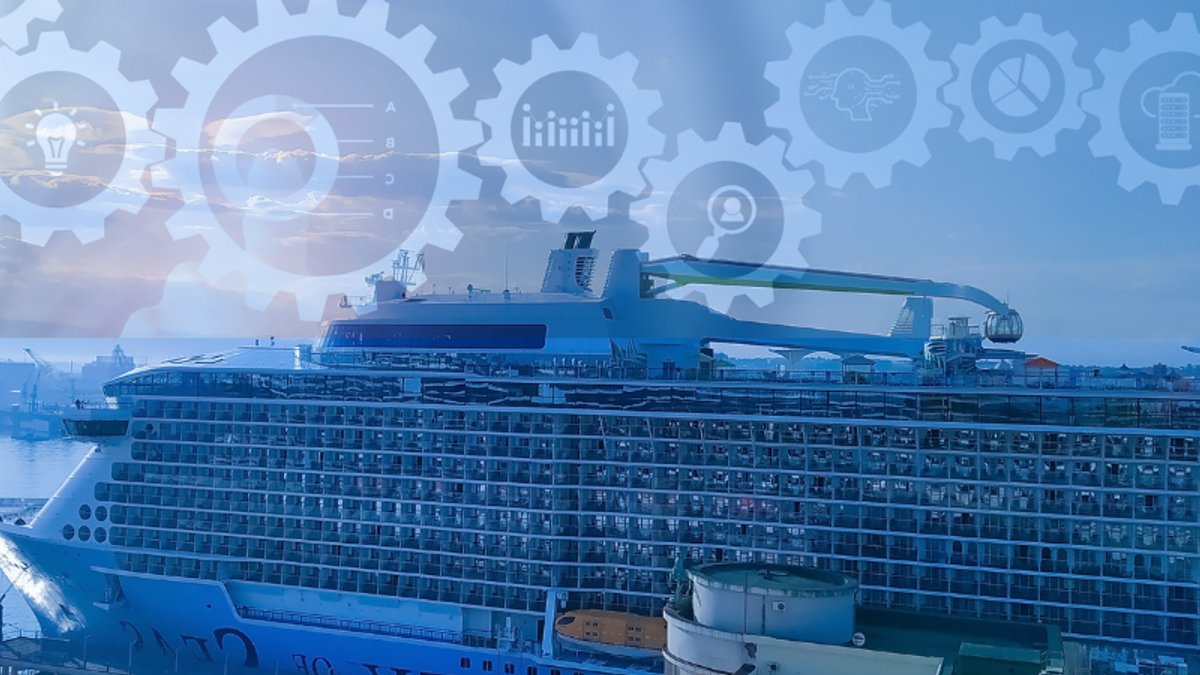
Internet of Things technology is reshaping the cruise line industry, embedding sensors and data systems into ships to improve efficiency and safety. The solutions involve embedding physical sensors into areas where data can be collected, from wearable health trackers to massive ocean-going vessels. This advanced technology introduces innovation to the sector, simplifying procedures and boosting operational productivity. All big cruise lines are adopting this latest technology to improve their services. If you are considering a business or engineering career in the future, you must get the fundamentals of IoTs right.
Operational efficiency is important for the success of any cruise line industry. IoT is enhancing the operational efficiency of the sector by allowing the seamless integration of various systems, ensuring hassle-free and smooth operations. It also enables data collection and exchange, allowing the operators to monitor and manage tasks more efficiently. Many big cruise lines, for instance, NCL, also use this technology to track and enhance operational efficiency.
Related: Cars rely on complex computer codes
IoT-enabled devices facilitate real-time monitoring of water quality and volume. These tools provide operators with insights into present and future water conditions, which helps them manage their operations accordingly. The data also allows better passenger care and services. It is particularly important for companies like MSC, as it helps them maintain high hygiene and customer service standards.
Safety, Tracking, and Passenger Experience
IoT also enables the integration of GPS-tracking devices on cruise ships. This is a big example of IoT action in the industry. The integration allows the real-time tracking of ships in the vast oceans, helping the operators make sure the ship is following the safest and right route. Safety remains a fundamental concern in the industry and the Internet of Things is significantly contributing to the protection of ships in big oceans.
Related: Hard and Soft Skills for Real Estate Careers
This technology allows the incorporation of diverse sensors and advanced tracking devices for the identification of any possible dangers. IoT also allows the tracking of a ship’s stability. This information helps in preventing accidents and other damages. Locating your luggage is one of the stressful tasks on the ships, but IoT is making this task hassle-free. These tags are really useful as they make luggage handling simple and more efficient. Passengers can track their luggage by having these tags simply by using their mobile phones.
While the specific benefits of IoT in cruise operations are clear, the broader impact extends beyond individual ship systems. For a traveler, the result is a more predictable environment where services like laundry and dining run on predictable schedules. For the operator, the technology acts as a central nervous system that connects previously isolated mechanical and administrative functions into a unified workflow, reducing the margin for human error in high-pressure environments. The shift toward data-driven management represents a move away from reactive repairs and scheduling toward proactive maintenance and precision logistics.





Leave a Reply