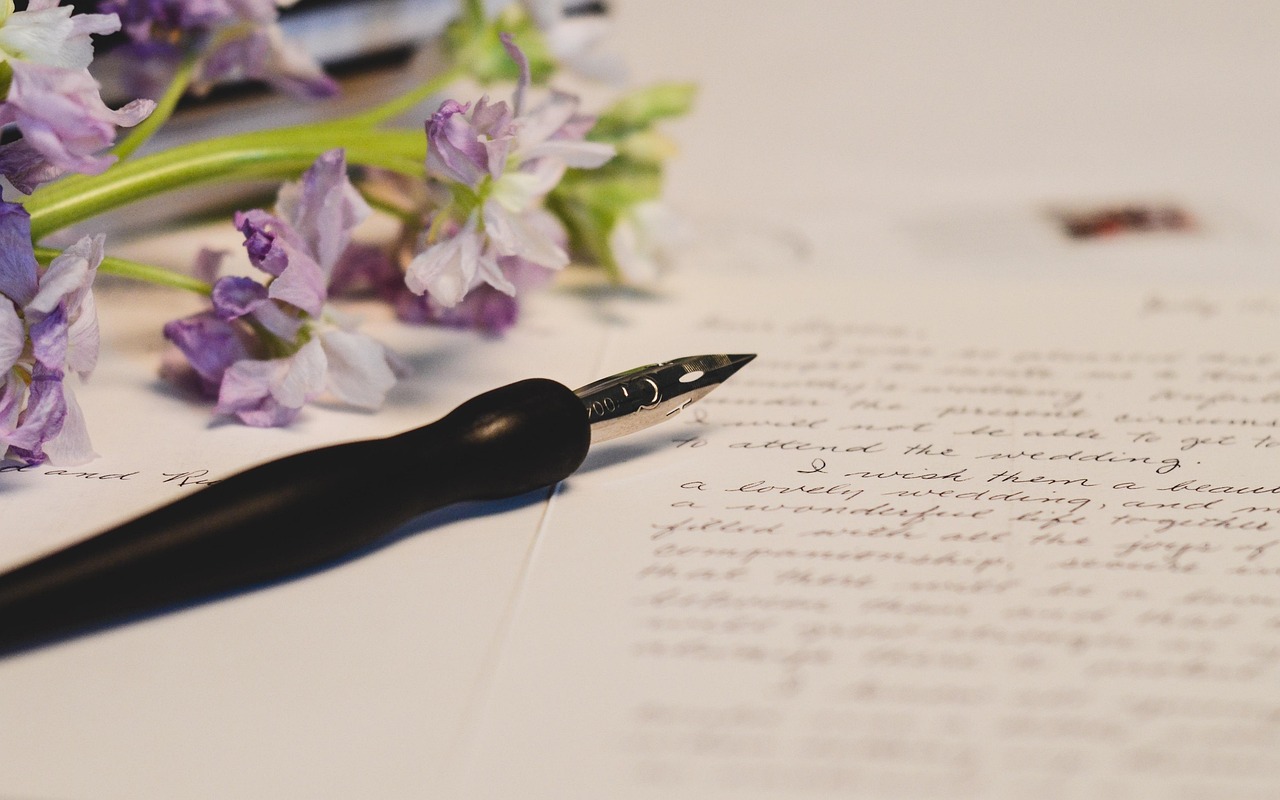
Handwriting is making a comeback in research labs, even as classrooms move toward screens. A growing body of studies suggests that putting pen to paper does more than just record words — it reshapes how the brain processes information. The findings arrive as schools push digital literacy, often at the expense of pen practice.
In a 2021 study, college students who wrote notes by hand with a paper planner showed widespread brain activity on fMRI scans, spanning memory, language, and visuospatial regions. Those who typed on a smartphone or used a stylus on a tablet did not show the same level of neural engagement. Researchers noted that paper provides “visual and tactile cues” that strengthen the link between what and where information is stored.
What the Brain Gains from a Pencil
Handwriting activates a broader network of brain regions than typing, creating what scholars call a more durable “web” of learning. The physical act of forming letters — the fine motor movements, the visual feedback loop — appears to prime the brain for deeper encoding.
Related: We Value Things We Assemble Ourselves More
This effect reaches adults as well. Neuroscientists have found that handwriting movements engage the brain in ways that typing does not. The slower pace forces the mind to process each letter, each word, more deliberately. It is a cognitive workout that typing, with its speed and automation, tends to skip.
Better Recall, Better Grades
College students see similar effects. A landmark 2014 study, reinforced by a 2024 meta‑analysis, found that handwriters outperformed laptop users on conceptual questions — drawing conclusions, seeing patterns — by 0.13 standard deviations. Even after studying their notes, the handwriters scored 0.29 standard deviations above the typers on factual recall. Researchers explained that laptop use “facilitates verbatim transcription” and leads to “relatively shallow cognitive processing.”
It is worth noting that the debate over writing versus typing echoes earlier educational shifts — like the introduction of calculators in math class. Critics then feared loss of basic skills, yet calculators did not replace conceptual understanding; they added to it.
Related: Department of Education probes Smith College over trans women admissions
Typing Still Has a Role
Digital tools aren’t going away, and for good reason. Typing is about 55 percent faster than writing, according to a 2011 study of nearly 1,000 middle and high school students. Teachers speak at roughly 174 words per minute — far beyond the average writing speed of 4.5 words per minute. For English language learners, students with learning disabilities, or those who simply write slowly, typing can be an important equalizer.
Authors note that deep processing during digital note‑taking is possible — it’s just unlikely in the daily rush of classrooms. Rather than picking one method, they suggest balancing both. Handwriting should be preserved and expanded, but digital fluency also belongs in the mix. The most effective classrooms, they argue, push students to think more deeply, be more creative, and engage meaningfully with ideas — using whichever tool fits the moment.





Leave a Reply