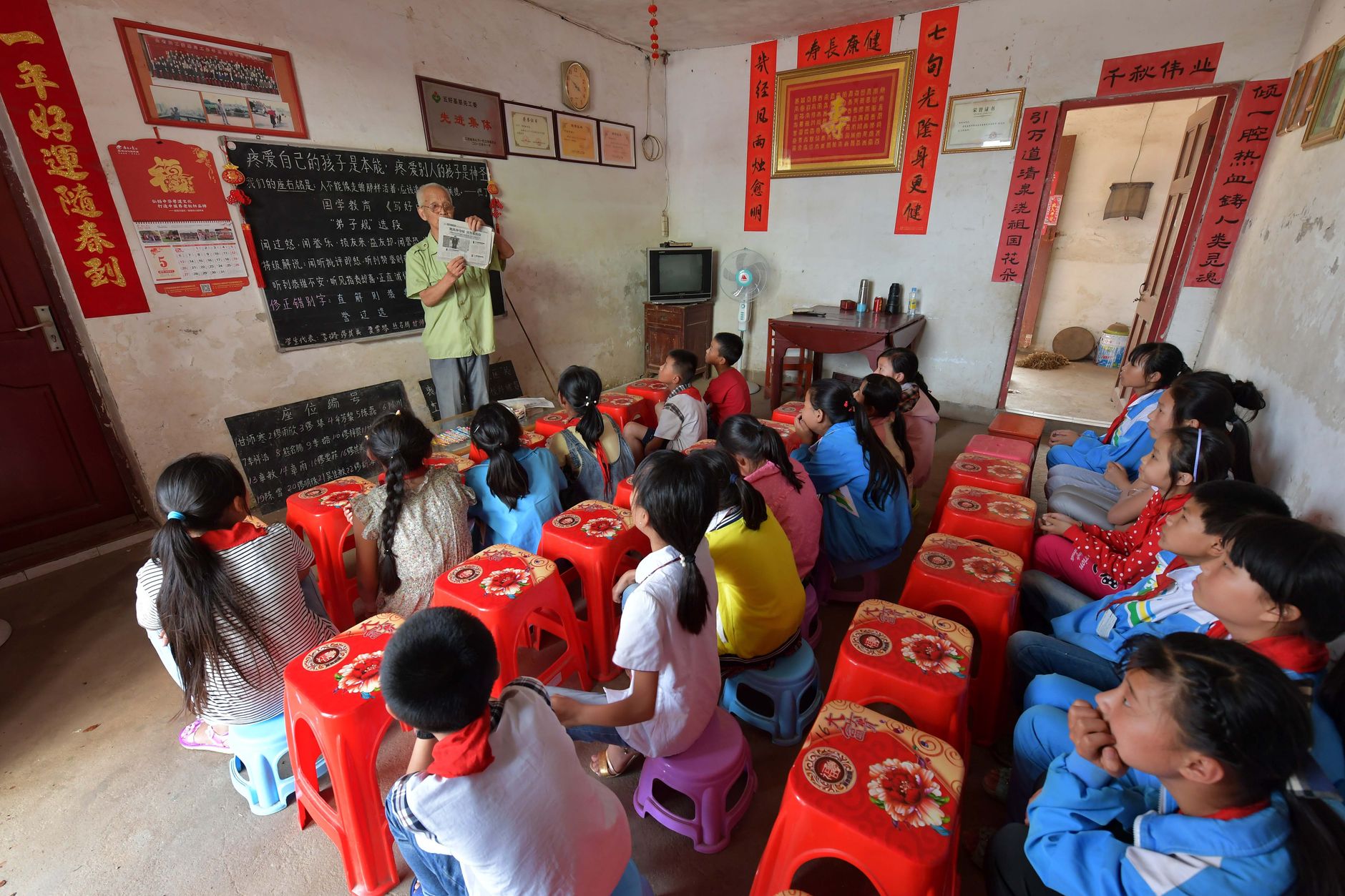
Teachers in China who moved from classroom instruction to remote learning in mid‑February have spent the past month adapting to a fully digital environment, learning how to keep students engaged while reducing screen fatigue.
Switching to a new platform on short notice
When the shift to online schooling was announced, teachers had roughly half a week to set up a digital platform they had never used. The school settled on Moodle, an open‑source system that supports live video, digital whiteboards and breakout rooms. It also allows for feedback, group work and material distribution—functions that could otherwise be handled through Google Classroom.
Initially, lessons took longer to deliver because educators were learning to use the new tools. Over time, many of the early glitches were resolved, and teachers now report that they can provide “high‑quality learning experiences online.” The school’s Chinese‑language classes continue on a domestic app in real time, while the international team uses Moodle for all other subjects.
Balancing live interaction and asynchronous work
Because the teaching staff spans four continents and eight time zones, most courses are asynchronous. Teachers post recorded lessons and assignments, then grade with rubrics, comments or recorded feedback. Nevertheless, most educators hold at least three live sessions each week, and some have moved to daily live instruction to build community and keep students actively involved.
Related: Schools Merge STEM with History to Forge Critical Thinkers
To curb excessive screen time, assignments often require students to get up and move. For example, a first‑grade class recently had a homework assignment where students needed to describe a pet. One boy’s mother video recorded him while he used descriptive language to introduce the audience to his two cats, and the video was submitted online. Similar projects include cooking recipes, conducting interviews and performing short plays, all captured on video.
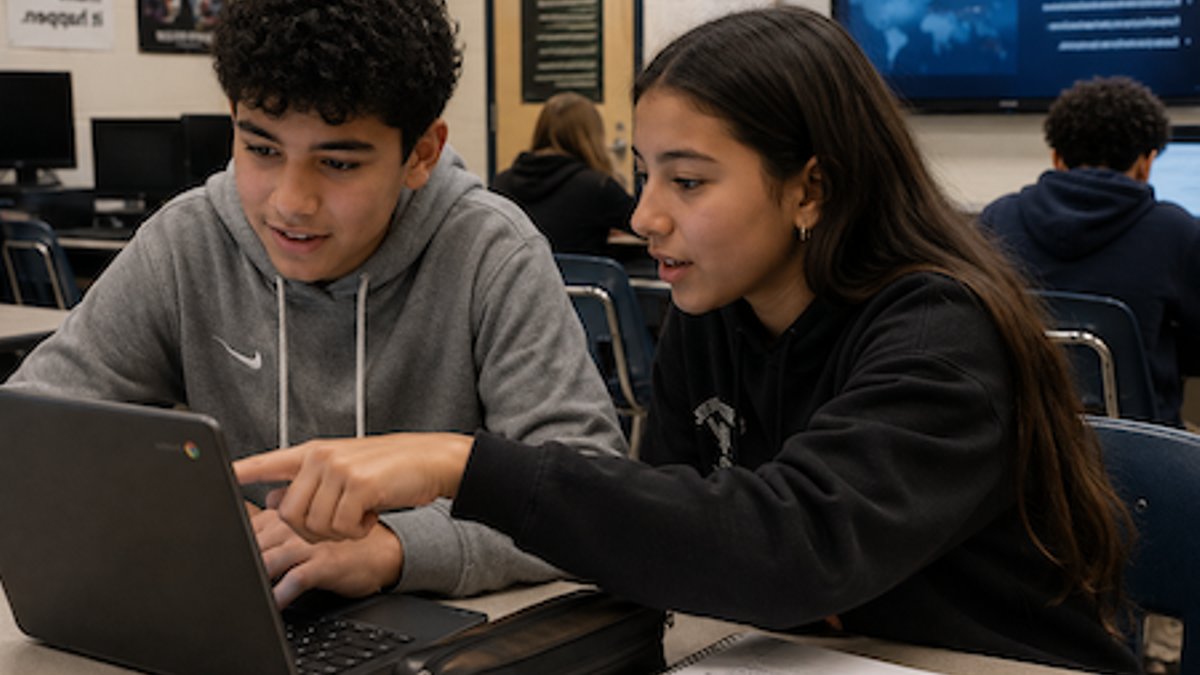
Paper‑based workbooks and drawing exercises also remain a staple. Students complete tasks on paper, photograph their work and upload the images. This approach reduces reliance on laptops while still allowing teachers to assess and share student output.
Teachers maintain a three‑hour daily “office hour” window on Moodle, during which they appear online to answer questions. The schedule is posted publicly, giving students a reliable point of contact. These hours are intended for academic help, not technical troubleshooting; families are directed to a separate IT support channel for that purpose.




Leave a Reply