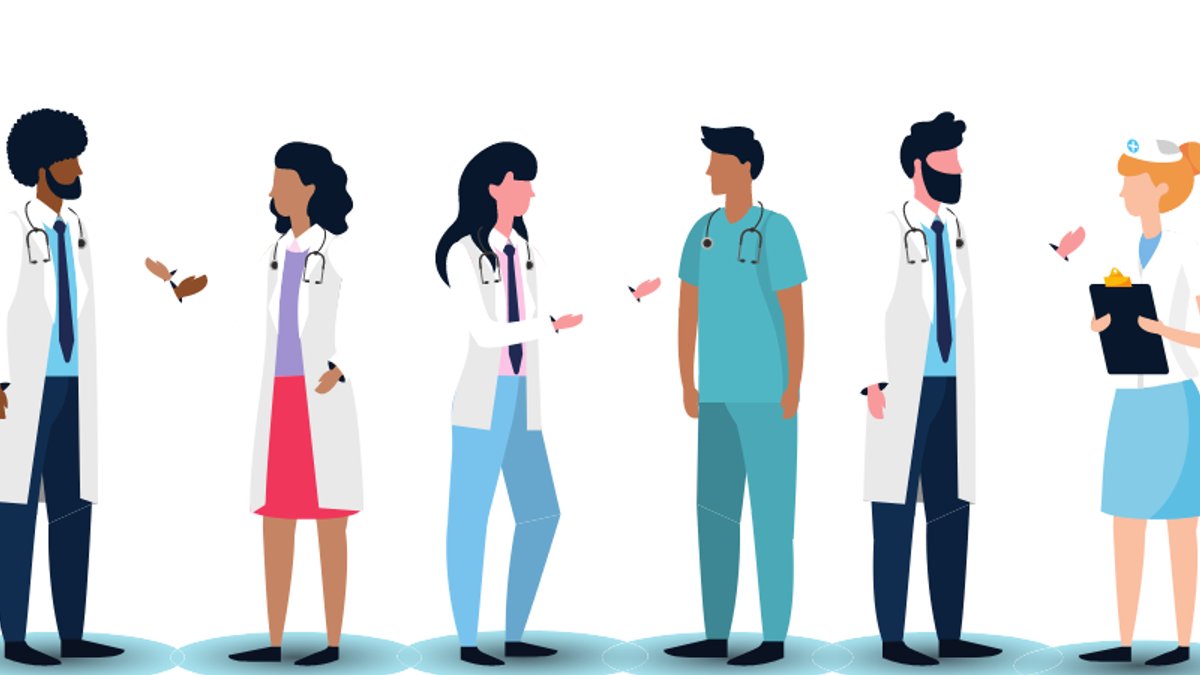
The recent pandemic has accelerated the adoption of online and remote modalities of education, but it’s essential to remember that hands-on education is the cornerstone of a successful career for healthcare professionals. As a healthcare educator and provider, Sandra Fineman emphasizes the importance of both the art and science of medicine in the journey to becoming a healthcare professional.
Fineman believes that the art of medicine, which involves learning to listen to patients’ chief complaints and understanding their medical and social history, is just as important as the science of medicine. However, without hands-on educational experiences, it’s impossible for students to learn the art of medicine.
Edgar Dale’s Pyramid of Learning states that people remember 10% of what they read, 20% of what they hear, and 90% of what they do. This observation highlights the importance of hands-on training in healthcare education, where the stakes are high and the consequences of mistakes can be severe.
Hands-on training is effective in getting students out of their comfort zones and into the growth zone, where they can truly understand the medicine and concepts undergirding it. This process may involve putting students into a fear zone, where they are unsure about what to expect and nervous about making mistakes, but it’s a significant step in their development as healthcare providers.
Simulated laboratory training and clinical rotations are the two pillars of hands-on healthcare education. Simulated labs provide students with the opportunity to practice their skills in a safe environment, while clinical rotations give them hands-on experience with real patients and real problems.
Related: Universities urged to resist AI admissions hype
The privilege of being a healthcare provider comes with the responsibility of bringing one’s best to each patient. Patients don’t read textbooks, and they often come to healthcare providers on their worst days, bringing their own stories and symptoms. Hands-on training helps healthcare providers develop the skills and compassion needed to care for patients in a way that honors this privilege.
They must provide students with ample opportunities for hands-on training, allowing them to move from their comfort zones to their growth zones. By doing so, they can help them develop into caring and exceptional healthcare providers who are equipped to provide high-quality care to their patients.
In healthcare education, providing students with online learning opportunities is not enough. They need hands-on training to apply the art and science of medicine in real-world settings.
It is essential that they continue to prioritize hands-on education in healthcare education. The success of healthcare professionals depends on their ability to apply the art and science of medicine in real-world settings. Hands-on education is the key to unlocking this ability.
Fineman is a healthcare educator and provider.




Leave a Reply