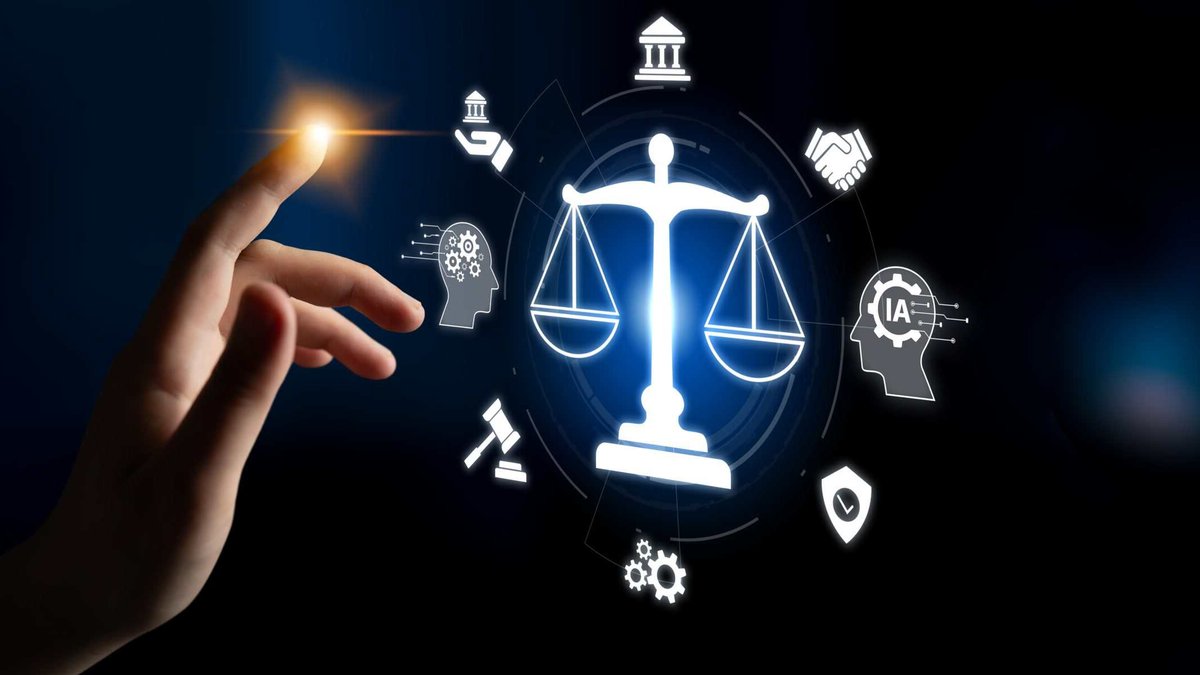
AI in admissions is gaining traction as universities explore tools that promise faster processing, better student‑course matching, and more precise risk assessment.
How AI is being used today
Platforms such as The Uni Guide employ artificial intelligence to help prospective students locate universities and programmes that align with their goals. Another provider, UniReady Global, has built AI capabilities that assist institutions in judging whether applicants are likely to be genuine students. Some vendors aim to automate large portions, or even the entire admissions workflow.
The technology can handle volumes of information that would overwhelm human staff. It can triage applications, flag missing documents, highlight inconsistencies, and detect potential fraud. It also points out where a candidate’s background, ambitions, and chosen programme may not line up.
AI is not a silver bullet.
Related: Debate Over Londonmaxxing UK Universities Intensifies
For schools facing pressure to recruit efficiently while staying compliant and keeping costs down, these features appear to be genuine advantages.
Risks that come with automation
There is a clear line between using AI as a support tool and allowing it to make final decisions. Problems arise when a risk flag automatically translates into a rejection, a course‑fit score becomes a gatekeeper, or an algorithmic recommendation is treated as more objective than the human judgement it was designed to augment.
One concern is institutional repetition. Professor Marnie Hughes‑Warrington notes that large language models learn from historical data; they excel because they reflect what has happened before. That same trait can cause admissions systems to favour applicants who resemble those already admitted, potentially sidelining talent that falls outside past patterns.
AI inherits the strengths and weaknesses of its training data. Existing cultural, linguistic and educational biases are not automatically removed through automation; they can become embedded and even amplified. Institutions that aim to broaden participation should consider this “alignment problem,” a concept that reminds us AI outcomes may not match the values of their creators.
Ethical considerations also matter. Nelson Mandela described education as “the most powerful weapon which you can use to change the world.” When decisions about who gains access to that weapon become purely technical, the human element of judgement, empathy and accountability disappears. Recent remarks from Pope Leo XIV warned that delegating such choices to algorithms risks ceding responsibility for defining human possibility.
Related: Siti Nurhaliza Performs at Sunway University Graduation
None of these points argue against using AI at all. In fact, when applied correctly, AI can make admissions more efficient, consistent, and effective. The developers of The Uni Guide and UniReady Global have adopted four guardrails: transparency about AI use, clarity on how recommendations are derived, meaningful human oversight, and human accountability for both processes and outcomes.
Comparing this to earlier attempts at digitising admissions, the current wave seems more focused on partnership rather than replacement. Earlier systems often automated simple checks but left core judgments to staff. Today’s models aim to surface insights while keeping decision‑making firmly in human hands, a shift that could help preserve institutional missions.
The future of admissions, according to the report, is not AI‑led but AI‑supported. Systems should recommend, explain, and identify risk, while people retain the final authority and responsibility for outcomes.
That approach aligns with the broader goal of ensuring technology serves the university’s purpose rather than redefining it.



Leave a Reply