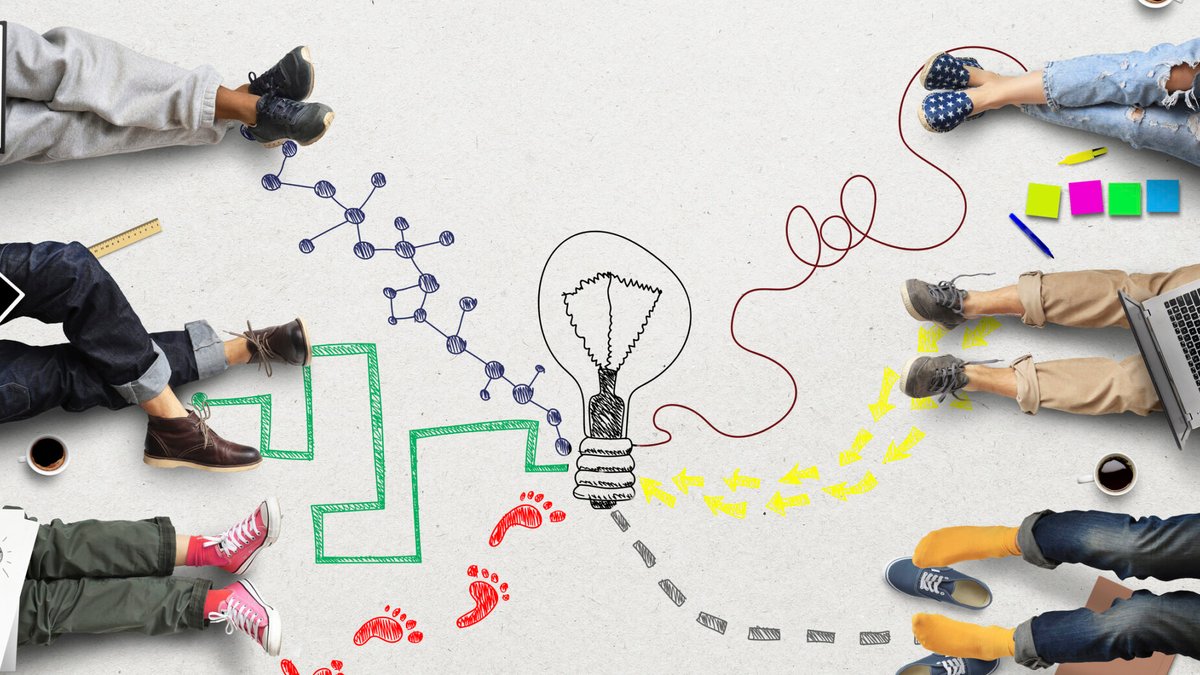
Higher-order creativity is becoming a critical focus in modern education as artificial intelligence reshapes how students learn and create. The concept involves thinking about one’s own thinking, a process known as metacognition, which allows individuals to regulate their creative impulses and overcome challenges like fear of criticism.
Defining the new creative process
Creating new ideas is only the first step of creativity. Students with higher-order creativity can honestly evaluate their work and make necessary adjustments, building resilience against obstacles. The fear of failure often stops students from continuing a project, but the Annals of the New York Academy of Science found that high school students often react to setbacks with high-arousal emotions like anger or frustration, which drains their energy and motivation.
Because failure feels so threatening, many students turn to AI to bypass difficult thinking. Relying on technology to do the heavy lifting can prevent students from developing the intrinsic motivation needed for long-term success. Instead, educators are encouraging the use of reflective tools to help students build self-awareness and critical skills.
Reflective tools and simple routines, like mindful breathing, can help students stop, calm down, and refocus when they hit a setback. This practice is essential because AI is not going away, and students who learn to adapt and use it alongside reflective learning techniques will be better prepared for future challenges.
Related: Hands On Training Boosts Healthcare Careers
Adapting to a tech-driven future
Developing these skills is difficult for both students and teachers, but it is necessary for the future. As AI continues to integrate into classrooms, students must learn to push past their initial thoughts and take the next steps to set goals and achieve them. While some might think schools stifle creativity through strict schedules and grading, these constraints can actually benefit students when they enter the workforce as adults.
If students learn to use technology and higher-order creativity as a routine part of their education, they will become more mindful and adaptable. This approach allows them to thrive in an independent, innovative culture that will only be enhanced by further technological advancements. Ultimately, managing the impulse to give up when facing failure will change the definition of academic success and lead to long-term growth.
Artificial intelligence is transforming every industry, and its impact on education has just scratched the surface. AI’s impact on creativity can become harmful if humans don’t learn to adjust their higher-order thinking and skills. By becoming more aware, flexible, and reflective with their routines and the tools they use, humans can have exponential limits of success when using AI in the classroom.
Academic success is traditionally tied to setting goals attached to a completed project or associated with perfectionism. Manage the impulse of giving up when confronted with failure or criticism, the image of academic success and the function of creativity as a higher-order skill will both change. Eventually, this academic success will lead to long-term growth and success when their school journey is over.




Leave a Reply