Research shows that working memory in math can be a limiting factor for many learners, especially when tasks demand juggling numbers, words, and visual information at once. Studies from 2020 through 2025 highlight practical ways teachers can reduce the load on short‑term memory, allowing students to focus on problem‑solving rather than merely trying to remember every detail.
Break Word Problems into Manageable Pieces
Multistep word problems often overwhelm students because the narrative hides the underlying calculations. One approach is to have learners rewrite the story, identifying characters and actions before extracting the numbers. Fourth‑grade teacher Blair Pacheco recommends this “story‑first” method to shift memory resources from tracking plot details to solving the math.
Using scratch paper also helps. A 2025 study found that students who jotted intermediate steps, partial answers, and key formulas improved their performance by an effect size 83 percent higher than peers who kept everything in their heads. The same research notes that underlining or highlighting the central question of a problem can further reduce cognitive load.
Related: Some Kids Thrive in Remote Learning
Elementary teacher Victoriana Savas adds that visual annotations—such as crossing out irrelevant information—help students home in on what the problem actually asks. By chunking the problem, students free up mental bandwidth for the calculations that matter.
Visual Aids and Anchor Charts Extend Memory
Working memory includes a visuospatial component that stores images like the shape of a triangle or a multiplication grid. Teachers can alleviate pressure by posting anchor charts that display key formulas, place‑value tables, or common geometry diagrams around the classroom.
When students encounter unfamiliar contexts, their working memory works harder to process new background details. Familiar scenarios—like shopping at a local grocery store or referencing a well‑known ice‑cream shop—lower this burden. Problems set in recognizable settings boost engagement and confidence, helping students see math as a useful tool for everyday life.
Providing problem‑solving routines gives learners a predictable framework. Naming each step—such as “find a common denominator” when adding fractions—helps students retain the process. This method proved beneficial not only for students with dyslexia but for anyone struggling with multi‑step calculations.
Related: Object-Based Learning Boosts Deep Thinking
Consistent practice builds confidence.
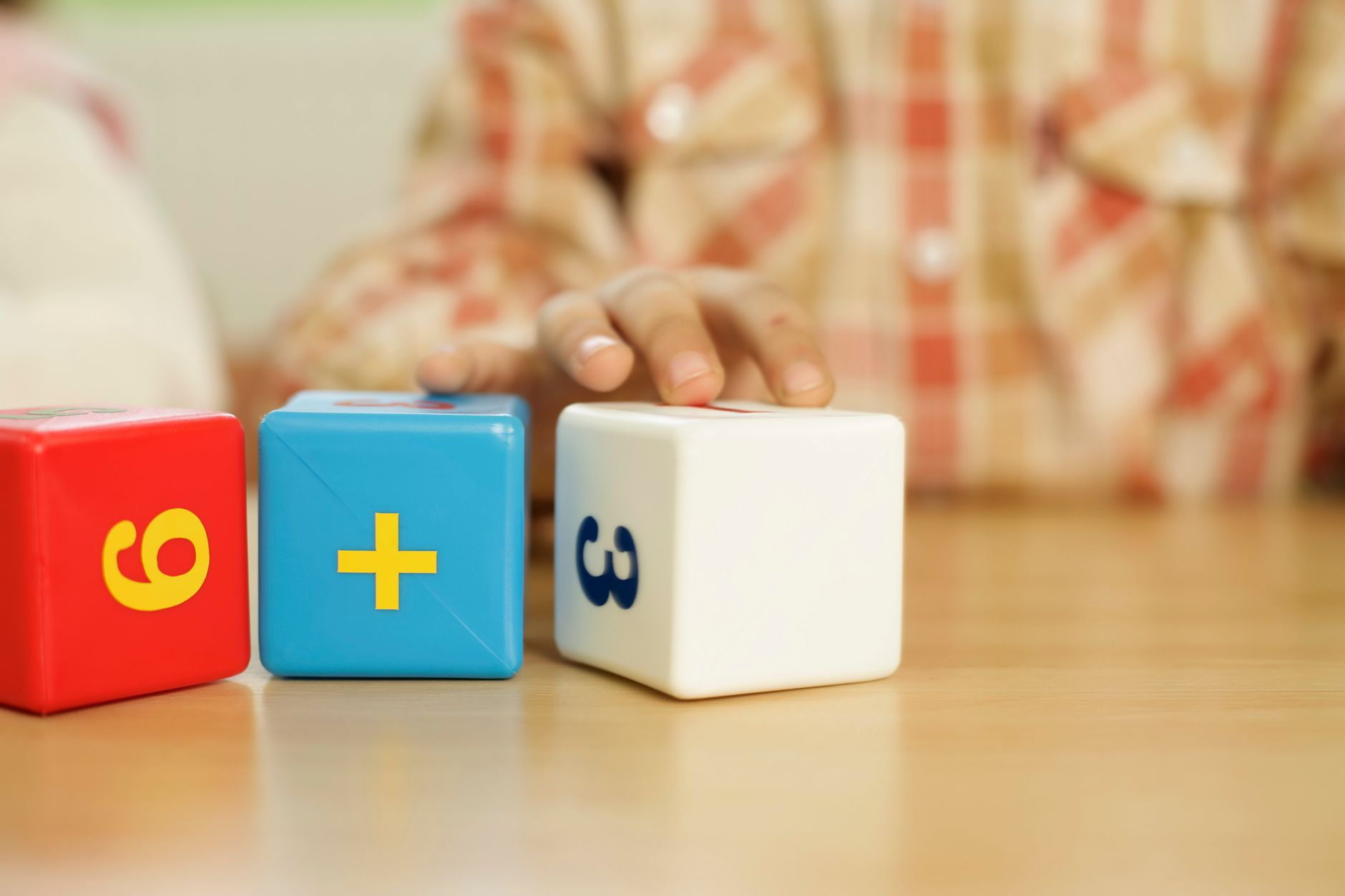
Manipulatives turn abstract numbers into concrete objects. A 2019 study found that interacting with physical tokens extends the mental workspace, allowing students to shift attention without losing track. When children aged 7 to 9 used numbered blocks for addition problems, their accuracy rose to 72 percent versus 62 percent for peers who worked without them.
Teacher Matthew Oldridge suggests using dice, cards, or snap cubes to practice multiplication facts and integer operations, turning the learning experience into a hands‑on activity that supports memory.
Related: Teachers Get Guidance on Giving Good Feedback
Reviewing prior knowledge also eases the strain on working memory. If students must reconstruct old concepts while tackling new problems, they waste valuable mental capacity. Fourth‑grade teacher Leah McGinnity incorporates regular retrieval practice, prompting learners to recall place value and fraction skills so that these facts remain readily accessible.
A 2023 meta‑analysis of 43 studies reported that worked examples—fully solved problems presented to students—produce a moderate positive effect on mathematics learning. By offering a step‑by‑step blueprint, teachers provide a scaffold that reduces cognitive load, allowing learners to focus on applying the method rather than figuring it out from scratch.
Overall, the research suggests that a combination of breaking problems into smaller parts, using visual supports, establishing routines, employing manipulatives, choosing familiar contexts, and reinforcing prior knowledge can collectively free up working memory. When educators apply these evidence‑based strategies, students are better positioned to understand and solve math problems without the distraction of mental overload.





Leave a Reply